

Cluster structure prediction
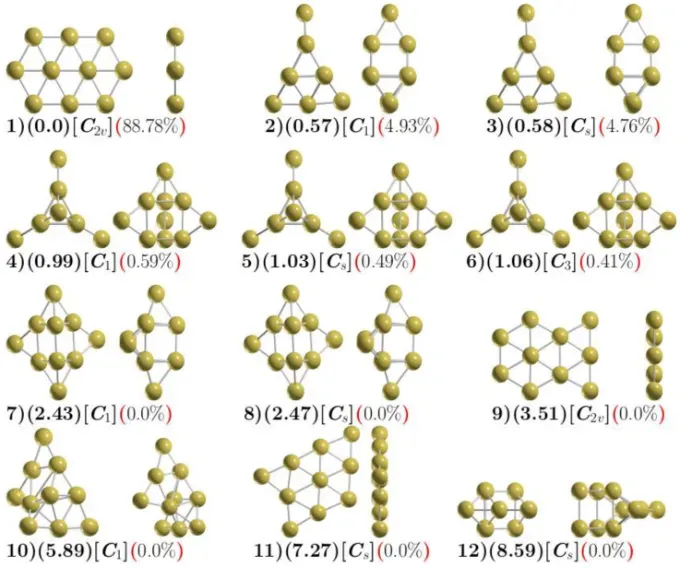
Global-minimum searches on the potential energy surfaces of atomic and molecular clusters using evolutionary algorithms coupled to density functional theory.
Figure: Rojas-González et al., Molecules (2024) · CC BY 4.0
Universidad Politécnica de Tapachula
Computational Chemistry of Clusters and Materials Group. We predict the structure of clusters and materials and explain their properties at finite temperature using first-principles methods.
The Cabellos Research Group is based at the Universidad Politécnica de Tapachula, in Chiapas, within the Research and Technological Development Office. It is led by Dr. José Luis Cabellos Quiroz.
We use first-principles methods to answer concrete questions: which structure a cluster adopts, how it changes with temperature, why an unusual bond is stable and how a material responds to light.
Our work is published in international journals and carried out in collaboration with groups in Mexico, Latin America and Asia.
What structure does a system have, and how does it determine what we measure?
Four research areas that share methods and systems. Every figure comes from one of the group’s papers.
Global-minimum searches on the potential energy surfaces of atomic and molecular clusters using evolutionary algorithms coupled to density functional theory.
Figure: Rojas-González et al., Molecules (2024) · CC BY 4.0
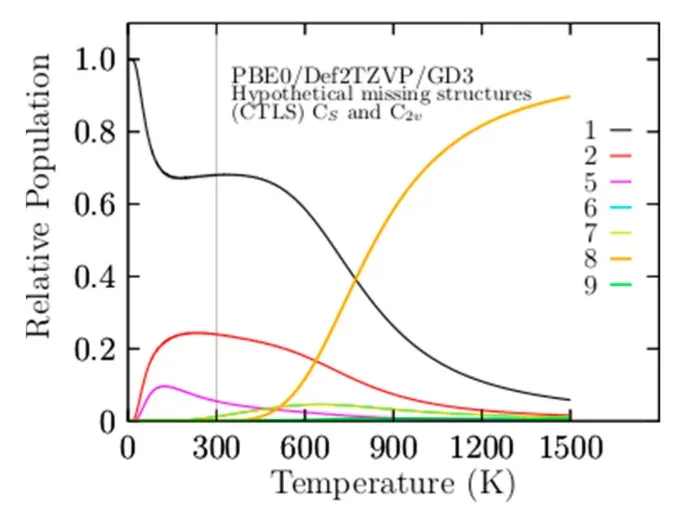
Free-energy surfaces, Boltzmann populations and temperature-dependent IR and VCD spectra that explain cluster fluxionality and chirality.
Figure: Buelna-Garcia et al., Materials (2020) · CC BY 4.0
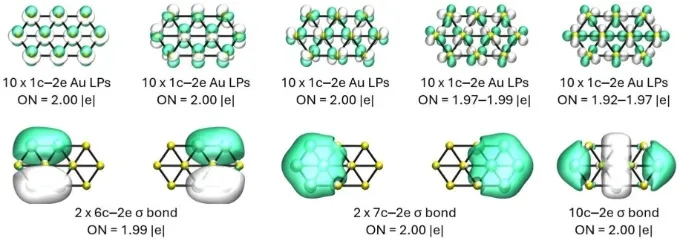
Design and analysis of species with unconventional bonding, such as planar hypercoordinate carbons, molecular stars and tubular boron motifs.
Figure: Rojas-González et al., Molecules (2024) · CC BY 4.0
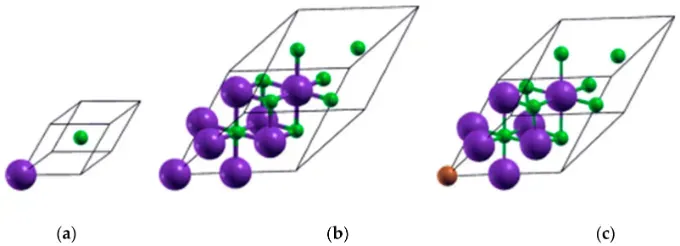
Linear and nonlinear optical response, band structure and thermoelectric properties of solids, surfaces and two-dimensional systems.
Figure: Castillo-Quevedo et al., Materials (2020) · CC BY 4.0
The group’s latest work. Each title links to the original version.
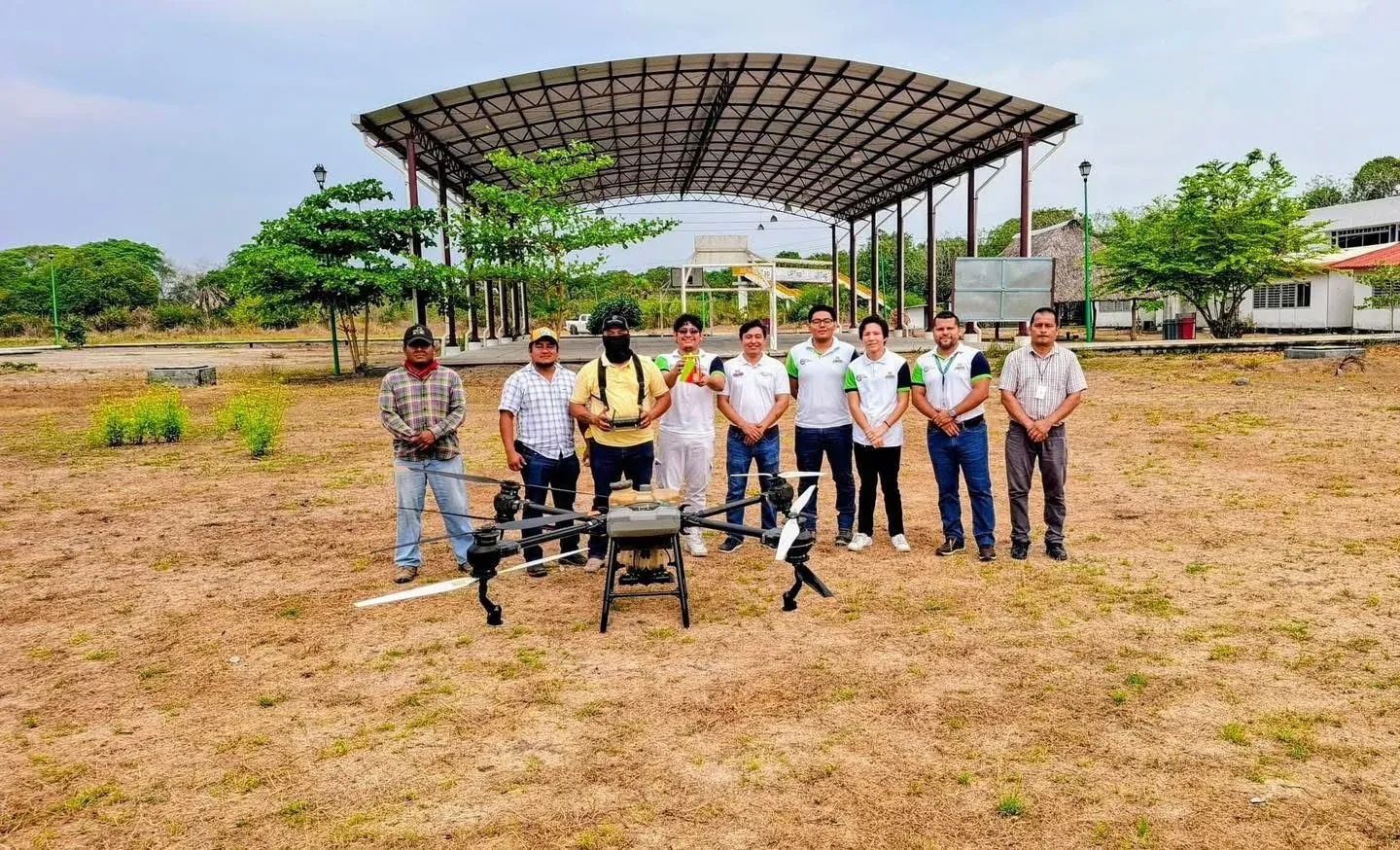
We welcome undergraduate and graduate students interested in computational chemistry and physics, as well as collaboration proposals from other groups.